If you lifted the lid this morning and found maggots in your trash can, you are not doing anything wrong. It happens to clean houses all over Kernersville, Winston-Salem, and Greensboro every summer. Maggots are fly larvae, and flies only need two things to raise a family in your bin: a little food residue and a warm, damp place to leave their eggs. A rolling cart that sits in the July sun gives them both. This guide covers why it happens, how to end it today, and how to keep it from happening again.
Why maggots show up in a trash can
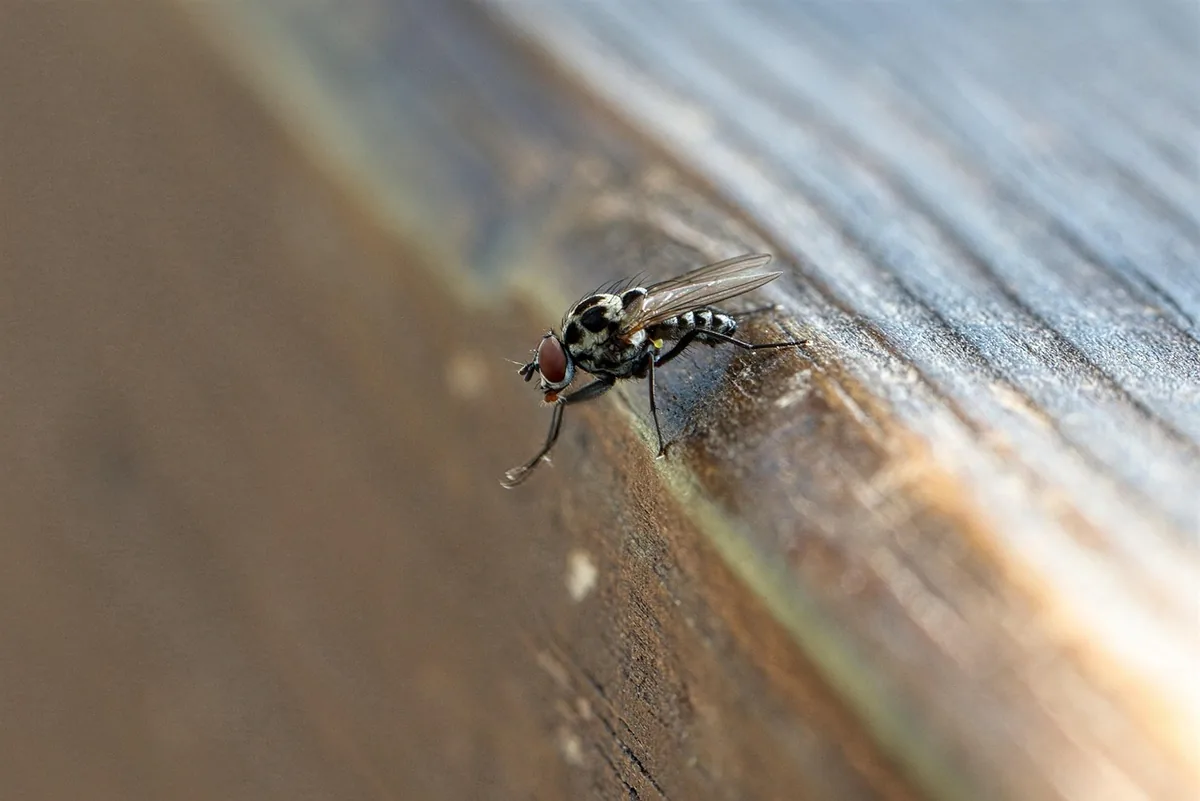
House flies and blow flies can smell rotting food from a long way off. When they find a bin with a leaked bag, a meat tray, or a splash of old milk in the bottom, they lay eggs right on it. A single fly can leave 100 to 150 eggs at a time.
In cool weather those eggs take a while to hatch. In Triad summer heat, inside a dark plastic can, they can hatch in 24 to 48 hours. That is why a bin can look fine on trash day and be crawling by the weekend. The larvae feed for a few days, then crawl off to pupate, which is why you sometimes find them on the driveway or tucked under the rim of the lid.
Three things make it worse:
- Loose food. Anything not in a tied bag is an open invitation.
- Liquid in the bottom. Bags leak, and the sludge that collects down there never dries out.
- Heat. The inside of a closed black can runs 20 to 30 degrees hotter than the air around it. Maggots love it.
How to get rid of maggots in a trash can today
You do not need special products. You need hot water, a little soap, and about 20 minutes.
- Empty the can completely. If trash day is a few days off, double bag anything wet and set it aside in a second container with a lid.
- Pour in boiling water, or the hottest water your tap makes plus a squirt of dish soap. Boiling water kills maggots on contact. If you are using tap water, let it sit for ten minutes so the soap can do its work.
- Scrub the bottom and the lower walls with a long-handled brush. The sludge in the corners is where eggs hide. Tip the can on its side and get the lid and the rim, too.
- Rinse, then dump the water on the lawn, not down the storm drain. In the Triad, storm drains run straight to creeks, and every town asks that soap and food waste stay out of them. Grass and soil break it down. The creek does not.
- Dry the can in the sun with the lid open. Flies do not lay eggs on a dry surface, and the sun finishes off anything you missed.
A few options if you want extra insurance:
- White vinegar. A cup in the rinse water helps with the smell and makes the surface less welcoming to the next fly.
- Salt. A heavy sprinkle on the floor of the can dries out any larvae you missed and pulls moisture out of the next leak.
- Diatomaceous earth. Food grade, a thin layer on the bottom. It is safe around pets and it dehydrates insects.
Skip the bleach. It is tempting, but bleach does not kill eggs any better than hot water, it eats the plastic over time, and whatever runs off goes down the drain and into the creek. Hot water and soap do the job.
How to keep maggots from coming back
Killing today’s maggots is the easy part. The real win is making the can boring to flies.
- Bag everything. Every bag tied, every time. Double bag meat and seafood scraps.
- Rinse meat trays and pet food cans before they go in. Ten seconds under the tap removes most of what a fly is looking for.
- Freeze the smelly stuff. Shrimp shells, chicken bones, and leftovers that went bad can live in a freezer bag until the night before trash day. No smell, no eggs.
- Keep the lid closed. A lid that sits open an inch is a doorway. If the lid is warped, a bungee cord fixes it for two dollars.
- Keep the can in shade if you can. A can on the north side of the garage runs cooler than one on a sunny driveway.
- Wash it monthly in summer. A quick hot-water rinse on trash day, once the can is empty, keeps residue from building into a layer that never dries.
If you have outdoor pets, keep their waste bagged and tied, too. It is one of the biggest fly attractors on any property.
When a professional wash makes sense
Hot tap water tops out around 120°F. That kills maggots, but it does not get the baked-on residue off the floor of a can that has been in service for a few summers. That residue is where eggs keep landing, and it is why some bins seem to grow maggots no matter how often you rinse them.
A mobile cleaning truck uses water at about 200°F under high pressure. The heat kills the bacteria and larvae, the pressure lifts the layer off the plastic, and the dirty water is captured on board instead of running down your driveway. The can comes back deodorized and dry. For a lot of Triad households, one deep clean at the start of summer plus a monthly visit is enough to stay maggot-free all season.
That is what we do at Triad Trash Bath. Our monthly plan is $29 for two bins, we come on your trash day after the truck has emptied them, and you never have to be home. First baths start mid-February.
Tired of the lid-lifting dread? Pick a plan and we handle the hot water, the scrubbing, and the dirty water from now on.
Get on the schedule